13th Colony’s New Bourbon-Rye Blend
Barrel Symphony — What happens when Bourbon and Rye stop competing and start playing together
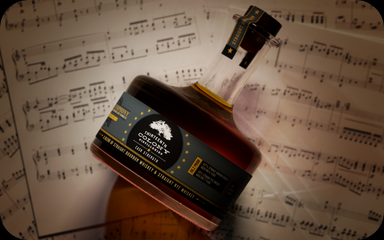
There are whiskey releases that feel like a line extension, and then there are releases that feel like a distillery planting a flag. 13th Colony’s Barrel Symphony: Composition No. 1 seems to be a new flag from this great Georgia distillery.
In a year that already included the 113 Rye Finished with Maple Spirals and the annual Cask Strength Bourbon release, 13th Colony is introducing something new. Its first bourbon-and-rye whiskey blend.
Officially, 13th Colony describes Barrel Symphony: Composition No. 1 as a blend of 87% six-year bourbon and 13% seven-year rye, bottled at 116.2 proof, presented at cask strength. This is not just another high-proof limited release. It is a very intentional whiskey idea, and the key word is right there in the name, Composition.
The Question: Why Blend Bourbon and Rye?
Bourbon and rye live in the same American whiskey family, but they bring different instruments to the stage.
Bourbon is usually the fuller, sweeter section. Corn gives it body, roundness, caramel, vanilla, brown sugar, and that familiar barrel-driven richness.
Rye brings tension. It sharpens the edges. It can add baking spice, mint, black pepper, dry grain, herbal lift, and structure.
When they are blended well, bourbon gives the pour its weight, while rye gives it movement. That is the promise of Barrel Symphony. The blending is the tricky part.
13th Colony says this release opens with rich sweetness, builds into layered spice, and finishes long and warm. Their official product page points to maple sweetness, baking spice, and rye-driven depth as the core profile. That makes sense on paper. At 87% bourbon, this should still lead with bourbon character. The 13% rye is not there to take over the glass. It is there to tune the whiskey. Think of it less as a duet and more as orchestration. The bourbon carries the melody. The rye adds percussion.
Why 87/13 Is More Interesting Than It Looks
At first glance, 87% bourbon and 13% rye may seem lopsided. But rye does not need equal billing to make itself known. A small rye component can change a whiskey dramatically, especially at cask strength. Rye spice tends to push through proof, sweetness, and oak. It can make the mid-palate feel more active and keep a sweet bourbon from becoming syrupy or flat.
That 13% rye is also seven years old, while the bourbon component is six years old. That gives the rye enough maturity to contribute more than raw spice. Mature rye can bring darker baking spice, dried fruit, tobacco leaf, leather, and a more structured finish.
For a distillery that has already built attention around bold limited releases, maple-finished whiskey, and South Georgia aging, this blend feels like a logical next experiment. Not louder; More arranged.
The Cask Strength Factor
Barrel Symphony is bottled at 116.2 proof, which puts it in a strong but approachable cask strength range. That proof matters.
At 116.2, the whiskey should have enough concentration to carry oak, spice, and sweetness without needing dilution to find its backbone. But it is not in the 130-plus proof bruiser category where heat can dominate the conversation. For a bourbon-and-rye blend, that may be the sweet spot. Too low, and the rye may feel decorative. Too high, and the rye spice plus barrel tannin could become aggressive.
At this proof, the release has a real chance to hit what 13th Colony is advertising: bold proof, layered complexity, and balance.
The South Georgia Climate Still Matters
13th Colony’s identity is tied heavily to place. The distillery is based in Americus, Georgia, was established in 2009, and describes itself as Georgia’s oldest operating distillery since Prohibition.
The climate is part of the brand’s whiskey story. 13th Colony points to South Georgia’s heat, humidity, and temperature swings as key contributors to barrel interaction. In prior company materials, the distillery has described the region as having 20-plus-degree temperature swings and around 72% average humidity year-round, conditions that encourage barrel expansion and contraction. That matters with a blend like this.
A six-year bourbon aged in that kind of environment can show older than its calendar age in terms of oak extraction, color, and concentration. A seven-year rye exposed to similar conditions may bring deeper spice and more barrel grip than a comparable rye aged in a cooler, slower warehouse climate. That does not automatically make it better. Hot-climate whiskey can become oaky, dry, or tannic if pushed too far. But when managed well, it can create exactly the kind of whiskey 13th Colony appears to be chasing here: dense, mature, flavorful, and built for slow sipping.
A Note on the Labeling Nerd Stuff
This release is interesting from a label-language perspective too.
13th Colony markets Barrel Symphony as a Bourbon x Rye Blend and says it combines straight bourbon and rye whiskey. Their official product description calls it a cask strength blend of six-year bourbon and seven-year rye.
Under federal whiskey standards, bourbon and rye are distinct types of whiskey, each with its own mash bill requirements. Bourbon must be made from at least 51% corn, while rye whiskey must be made from at least 51% rye. Straight bourbon and straight rye must also meet aging and production standards, including new charred oak aging and a minimum two-year aging period for the “straight” designation.
When you blend straight bourbon and straight rye, you are no longer simply dealing with a standard straight bourbon or standard straight rye. You are in the world of blended straight whiskey terminology. The practical consumer takeaway is simple:
This is not bourbon with rye flavoring. It is not rye-finished bourbon. It is not a cocktail-style blend. It is a composed whiskey blend built from mature bourbon and mature rye components.
That is exactly why this release is worth paying attention to.
What We Expect in the Glass
We have not tasted Barrel Symphony yet, so this is not a scored Barrel Proof Notes review. But based on the specs and 13th Colony’s own tasting direction, here is what we would expect:
Appearance
At 116.2 proof, six- and seven-year components, and South Georgia maturation, expect a deep amber to copper color with strong legs in the glass.
Aroma
The bourbon percentage should lead with caramel, maple, vanilla, oak, and maybe dark corn sweetness. The rye should show as baking spice, clove, cinnamon, mint, or pepper around the edges.
Flavor
This should begin sweet and broad, then tighten in the middle. The bourbon should give caramel, brown sugar, maple, and barrel sweetness. The rye should add lift with pepper, spice cabinet, maybe dried orange peel or herbal depth.
Finish
This is where the rye may matter most. A bourbon-only version might finish sweet and oaky. The rye component should stretch the finish, drying it out just enough to make the next sip more inviting.
If the balance works, Barrel Symphony could land right in that high-value zone between dessert pour and serious whiskey drinker’s pour.
Why This Release Fits 13th Colony
13th Colony has become one of the more interesting Southern craft whiskey names because it does not seem content to just copy Kentucky. That is important.
Kentucky remains the center of the bourbon universe for a reason. But regional whiskey gets exciting when it stops trying to imitate and starts showing what its own climate, blending choices and house style can do.
13th Colony has leaned into that South Georgia identity of warm climate, local and regional materials when possible, aquifer water, and a “worth drinking slow” brand philosophy.
Barrel Symphony feels consistent with that approach. It is not a gimmick. Bourbon and rye blending is a legitimate technique. But the way 13th Colony is framing it, not just blended but composed, gives the release a specific point of view. This is a distillery saying that blending is not a compromise. It is a Craft.
Final Pour
13th Colony Barrel Symphony: Composition No. 1 looks like one of the more compelling 13th Colony releases of 2026.
The numbers are strong: 87% six-year bourbon, 13% seven-year rye, 116.2 proof, cask strength. The concept is even stronger, use bourbon for richness, rye for architecture, and South Georgia maturation for intensity.
For Whiskey Nerds, this is the kind of release worth studying because it sits at the intersection of things that matter such as blending, proof, age, climate, and label identity.
It is not just about whether bourbon and rye can coexist. Of course they can. The question is whether they can play together with enough balance to justify the name Barrel Symphony.
On paper, this one has the score. Now we need the pour!
Perfect Pairing
A release called Barrel Symphony deserves a shirt that feels like it belongs behind the bar, not in the liquor aisle. Pair this article with a Barrel Proof Collection design that keeps the focus on whiskey culture, slow sipping, and the ritual of the pour.
One Comment